BIO
Douglas Clarkson (b. 1951) did consider initially a career in horticulture but was drawn to study Natural Philosophy (Physics) in Glasgow which led to a successful career in medical technology (Medical Physics). The applications using light in healthcare in all its various forms became a key interest which brought with it a fascination with colour and its perception and also a certain amount of wonder regarding the powers of vision. He was involved in initial steps to introduce Art into a large acute hospital Trust in the West Midlands and became aware of the beneficial effects of Art in clinical spaces for both staff and patients. He is drawn to the work of the Scottish Colourists in the sense that their work inspires confidence in an individual finding and developing a distinct style of expression in which an artist can find personal delight and satisfaction.
STATEMENT
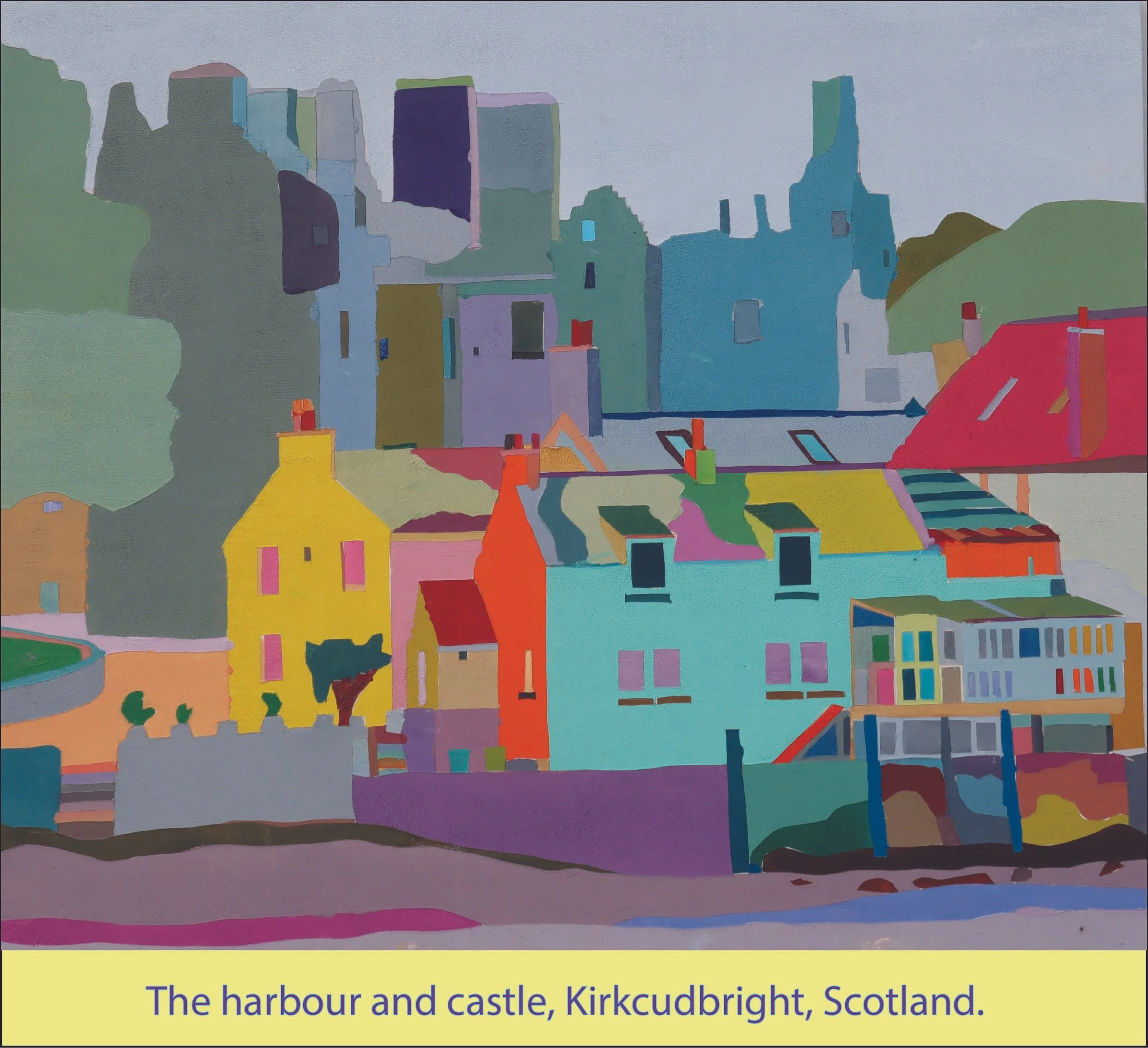
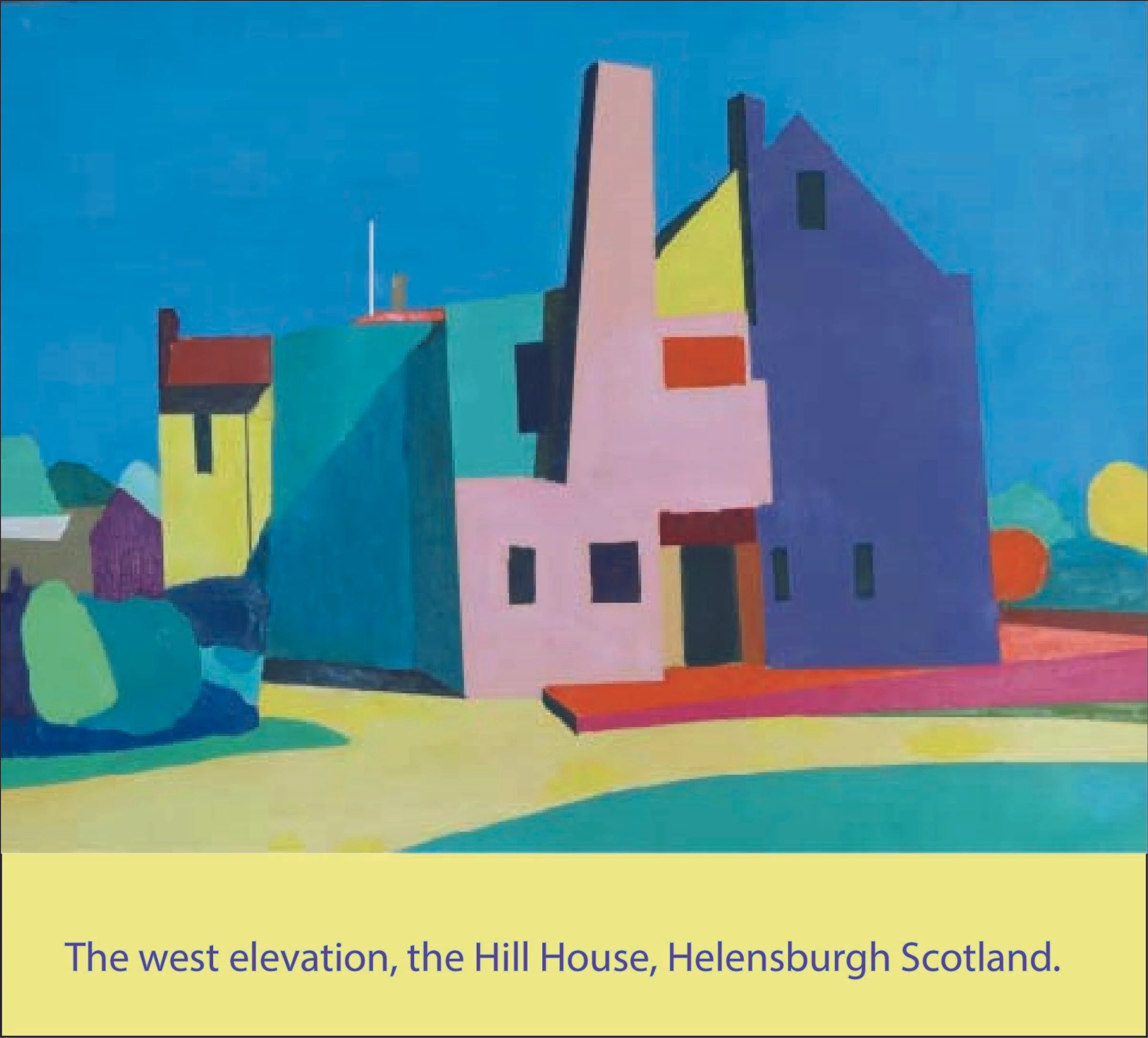
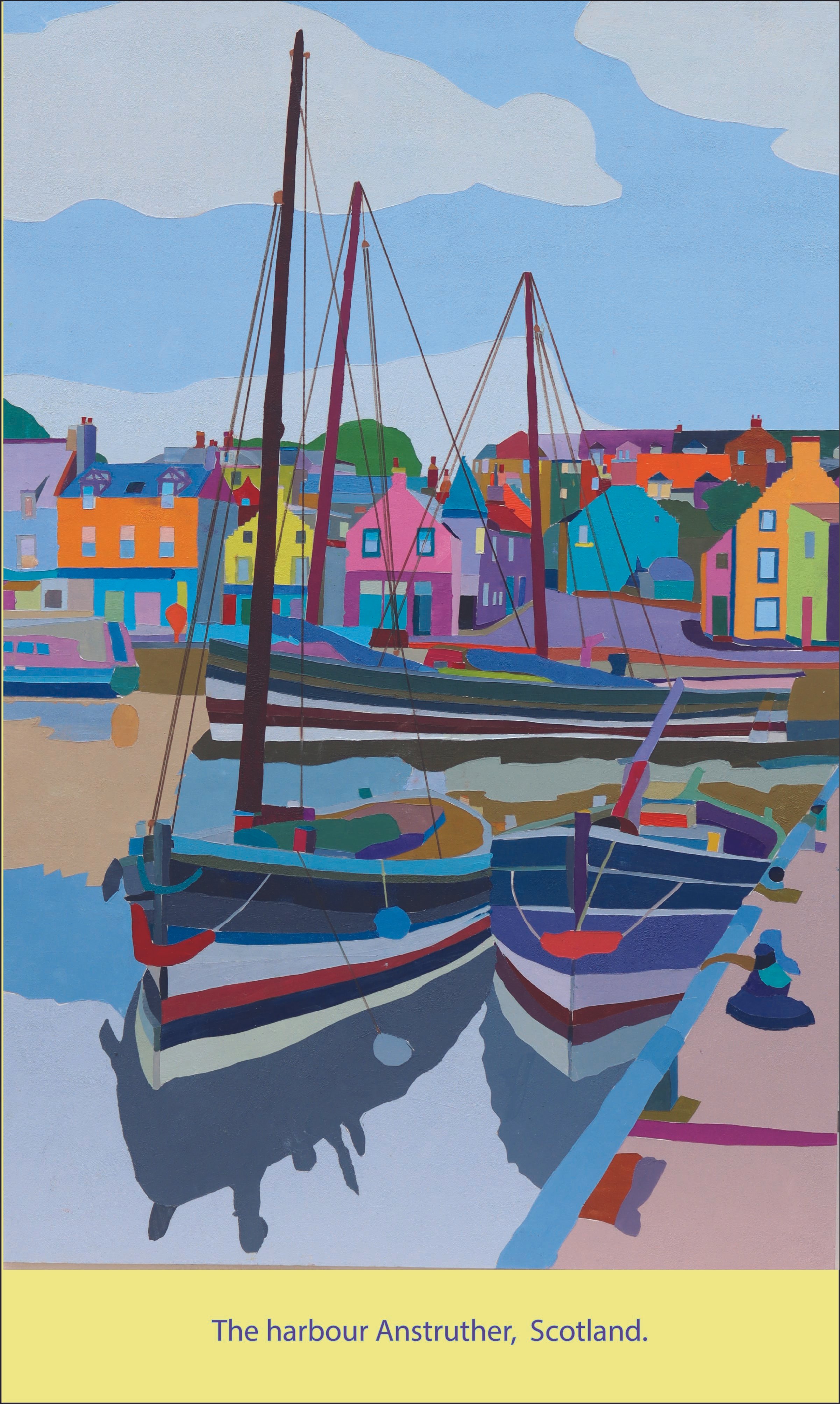
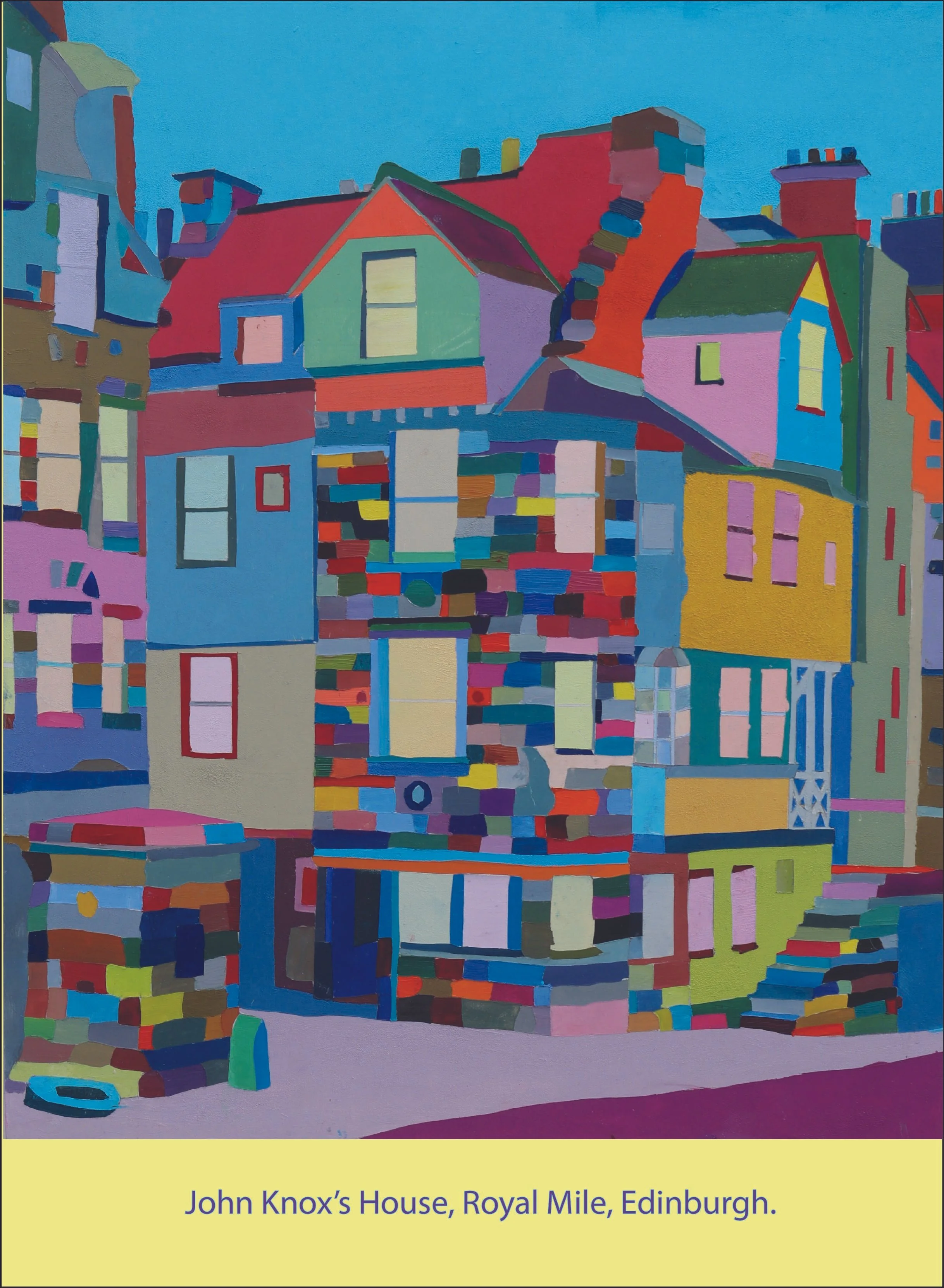
My preferred surface is wood panel. For colour I find water based oils give a dependable colour palate which can radiate bright cheerful tones. I worked in oils as a teenager and from time to time also experimented with acrylics and spray paints. My dominant painting 'style' developed to maturity while working on a study of the Hill House designed by Charles Rennie Mackintosh. In simplistic terms this 'style' involves resolving a study into individual distinct surfaces and assigning distinct colours appropriately. This 'style' can be applied to any form of study - landscape, still life, portrait, abstract and so on. A majority of initial work involved architectural themes though I now find the greater freedom of landscapes more rewarding, especially coastal scenes in Galloway.
Colours are rewarding in as much that they reward curiosity in their creation. The famous Dutch Ophthalmologist Donders once constructed a colour wheel with 100 distinguishable hues in order to identify levels of colour blindness. With even a modest collection of tubes of oil colours, however, the number of distinguishable colours able to be created is daunting. It seems natural to try to capture as many different colours in a painting as possible, in a way analogous to a musical harmony of several notes of a given instrument or better still from a range of instruments where each instrument introduces its own characteristic harmonics.
Colours can also be enigmatic, where there is a certain level of uncertainty about them. This is a theme that I endeavour to develop.
Current Work
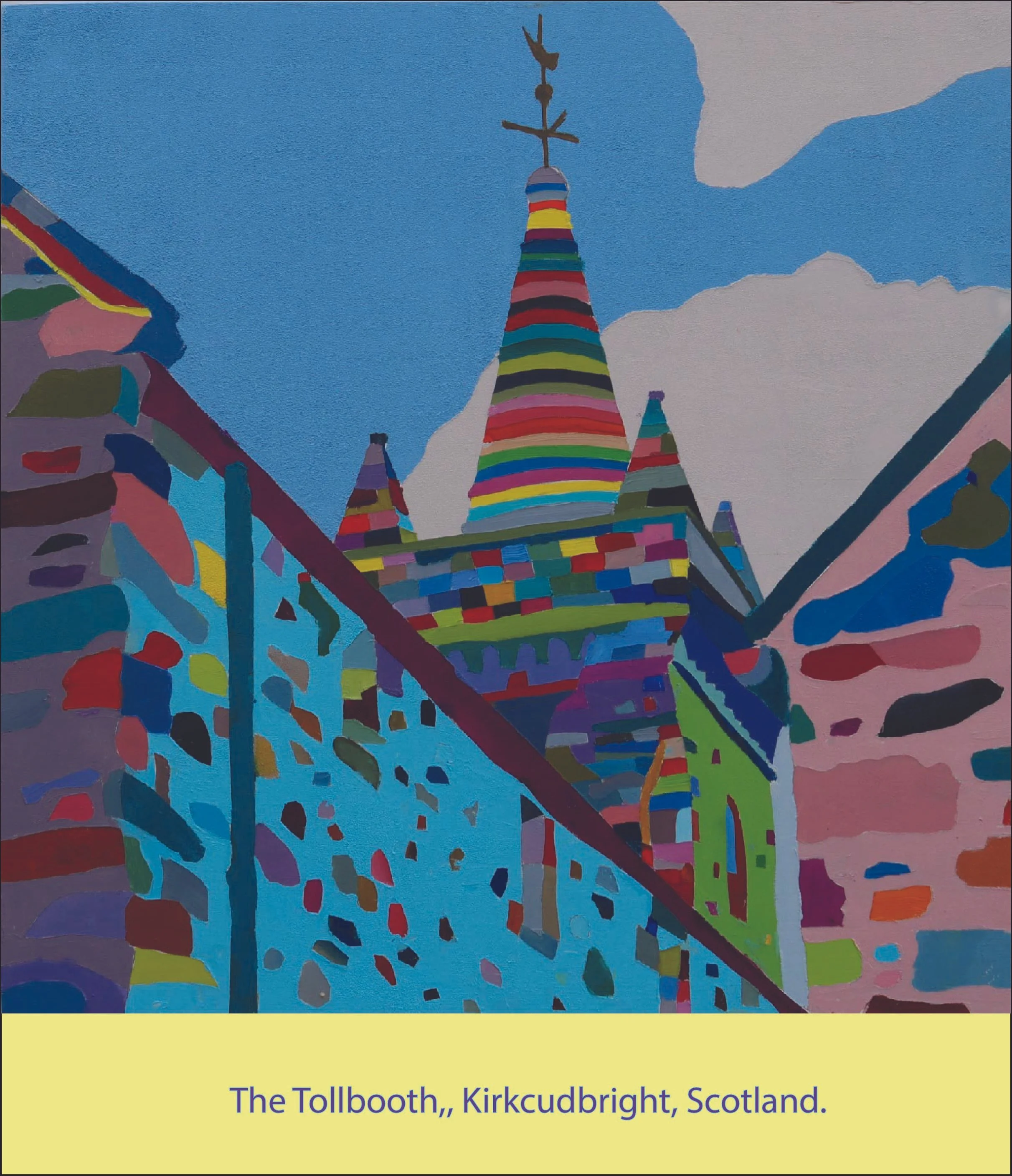
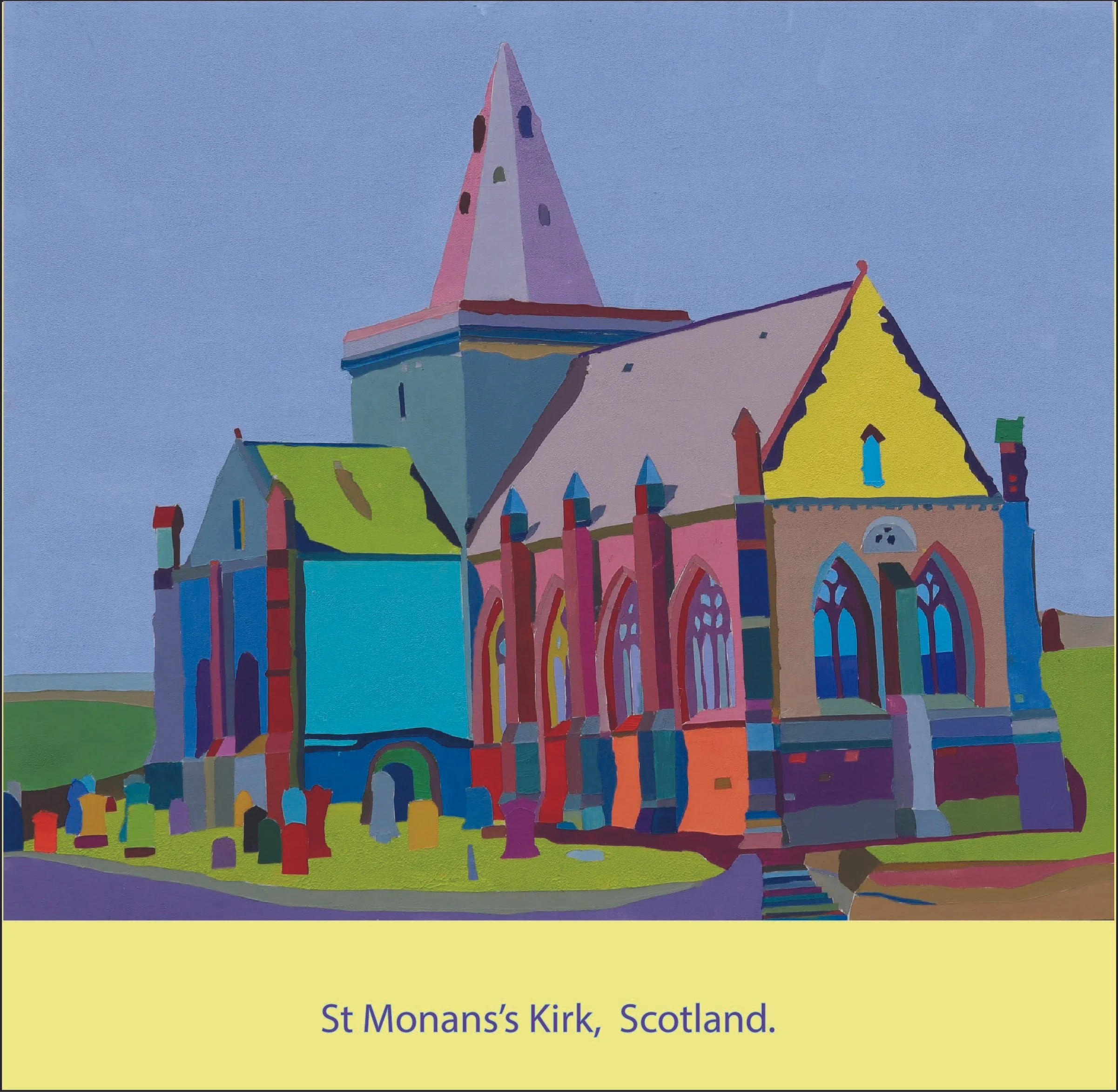
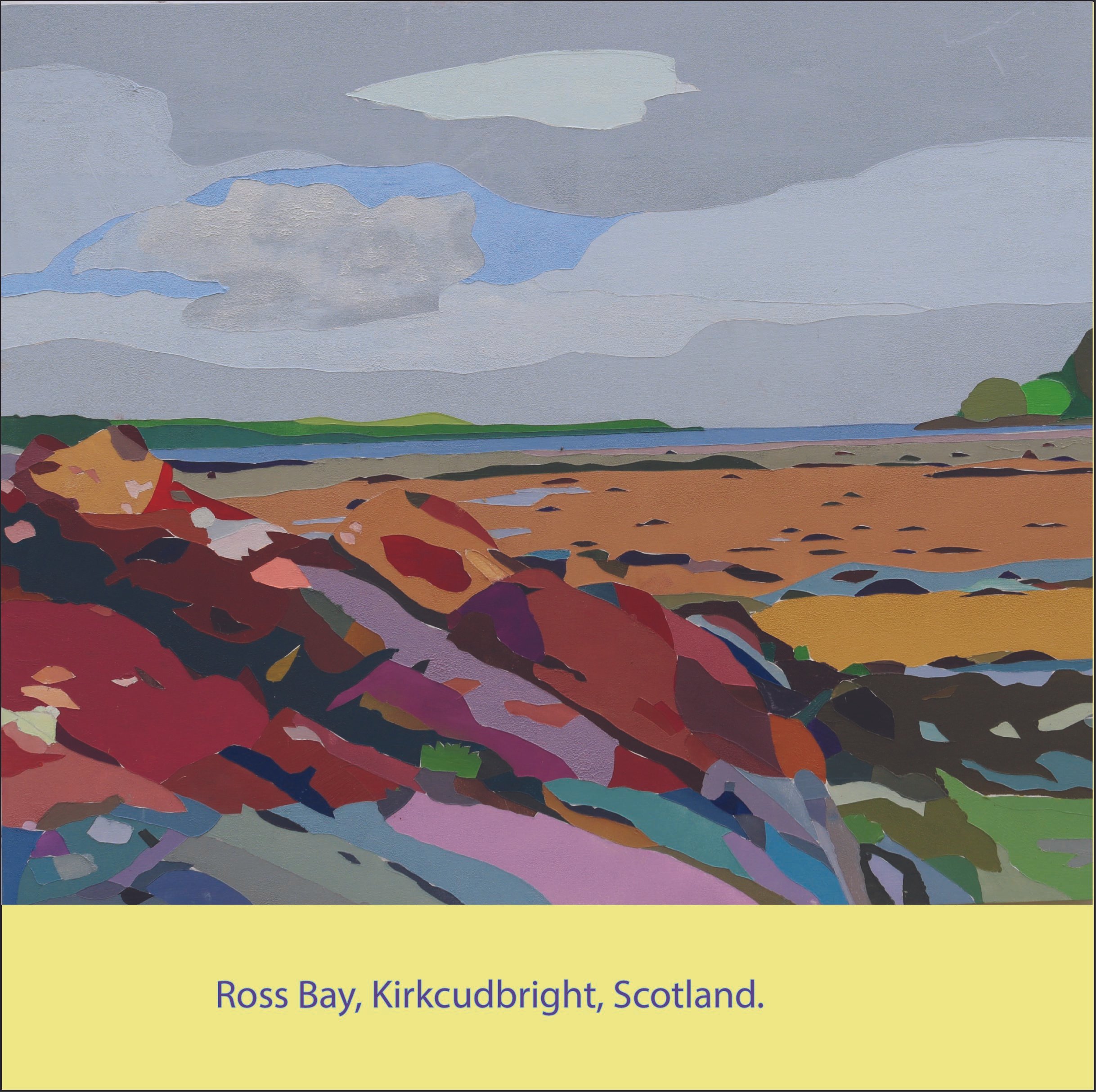
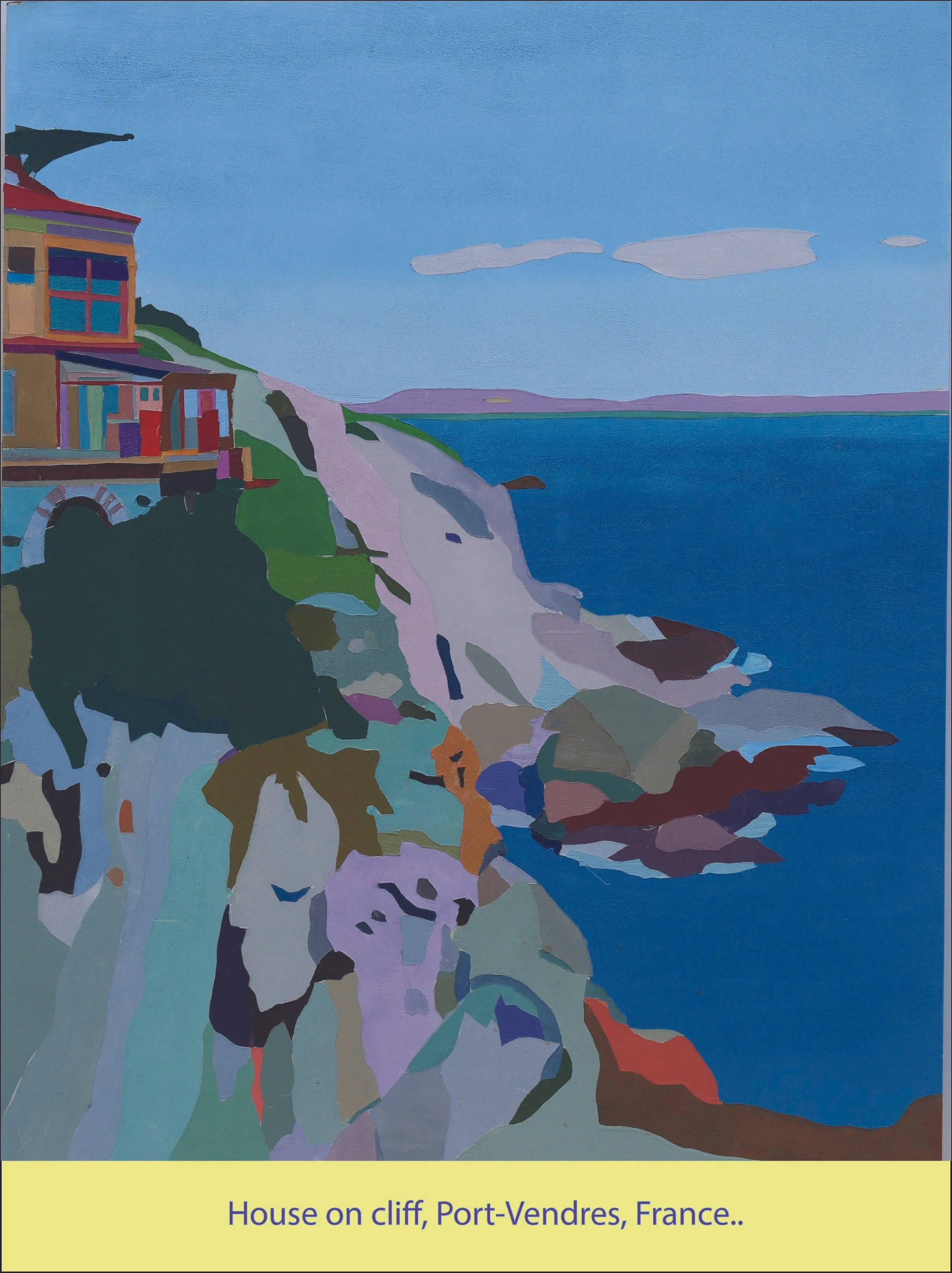
Why Art?
There is a basic motivation to make this art inspiring and produce something which the viewer finds uplifting. This is nothing new in the life story of art and it is a focus for seeking out the scenes and objects that enrich our lives but which on occasion are ignored by us in plain sight.